
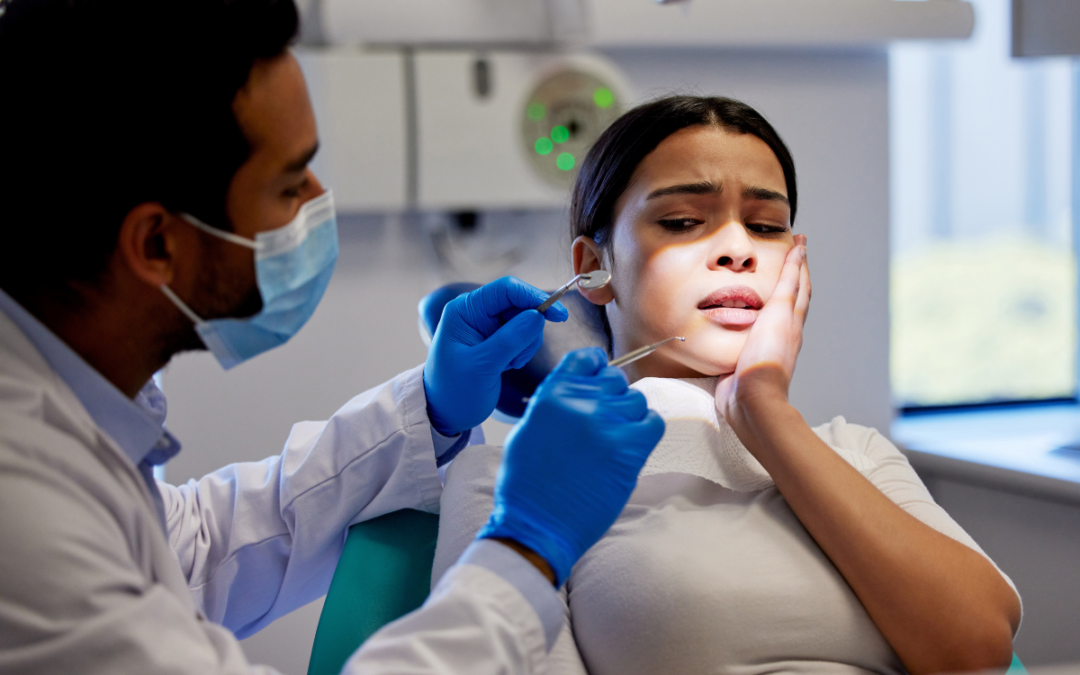
One second you’re eating dinner. The next, you’re staring at a piece of your own tooth sitting in your palm, and your heart is racing.
Or maybe it wasn’t dinner. Maybe it was a dull ache that turned into a throbbing pain in the middle of the night. Maybe it was your kid, mid-game on a Saturday, taking a hit that knocked a tooth loose in front of everyone.
Whatever it was, the fear that hits in that first moment is the same. Is this serious? Do I need the ER? Can this actually wait until Monday? And who do I even call right now, at this hour, with this much pain?
That panic is exactly why so many people search for an emergency dentist in Perryville; families can call the second something goes wrong. Not next week. Right now, while the pain is sharp and the clock feels like it’s working against you.
Here’s exactly what counts as a real dental emergency, what to do in the first few minutes, and what actually happens once you walk through the door.
Why Dental Emergencies Feel So Overwhelming
Part of what makes a dental emergency so stressful is the not knowing. Not knowing if it’s serious. Not knowing if waiting will make it worse. Not knowing where to even go at 9 p.m. on a Tuesday.
Unlike a scheduled appointment, there’s no time to prepare. You’re dealing with pain, sometimes bleeding, and a decision that needs to be made quickly, often while you’re not thinking clearly because of the pain itself.
That combination, urgency plus uncertainty, is exactly why having a plan before an emergency happens makes such a difference.
What Happens If You Wait Too Long
Not every dental issue needs to be treated within the hour, but several situations get significantly worse the longer they’re left untreated:
- A knocked-out tooth has the best chance of being saved if treated within 30 to 60 minutes.
- An untreated infection or abscess can spread beyond the tooth, becoming a more serious health risk.
- Ongoing bleeding that isn’t properly managed can become harder to control
- A cracked or broken tooth left untreated can develop further damage or infection.
- Severe pain that’s ignored often means the underlying problem is getting worse, not better.
Knowing which situations fall into this category is one of the most important parts of handling a dental emergency well.
What Actually Counts as a Dental Emergency
Not every dental issue requires an urgent visit, but these situations generally do:
- A knocked-out or partially dislodged tooth
- Severe, sudden tooth pain that doesn’t improve
- A cracked, chipped, or broken tooth, especially with pain
- Swelling in the face, jaw, or gums, which can indicate infection
- Uncontrolled bleeding in the mouth
- A lost filling or crown that’s causing pain or sensitivity
If you’re unsure whether your situation qualifies, it’s always better to call and ask than to wait it out at home.
What to Do in the First Few Minutes
- For a knocked-out tooth: Handle it by the crown, not the root. Rinse it gently if dirty, and try to place it back in the socket if possible. If not, keep it in milk or saliva and get to an office as quickly as you can.
- For severe pain: Rinse with warm water and gently floss around the area in case something is caught. Avoid placing aspirin directly on the gum, which can actually irritate tissue.
- For a broken or chipped tooth: Rinse your mouth and save any broken pieces if possible. Apply a cold compress to reduce swelling on the outside of the cheek.
- For bleeding: Apply gentle, steady pressure with clean gauze or a cloth, and seek care if bleeding doesn’t slow within a reasonable time.
In all of these cases, the next right step is the same: get to Emergency Dental Care as soon as possible.
What to Expect at Your Emergency Visit
Walking into an unfamiliar situation is easier when you know what’s coming.
- Check-in and assessment: You’ll be seen promptly, and the team will ask about your symptoms, when they started, and what happened.
- Examination and imaging: An exam, often including an X-ray, helps identify exactly what’s going on beneath the surface.
- Pain management: Relieving pain is typically addressed early in the visit, so you’re not left waiting in discomfort while decisions are made.
- Treatment plan: Depending on the issue, treatment might happen the same visit or be scheduled as a next step, with everything explained clearly along the way.
- Aftercare guidance: You’ll leave with specific instructions for recovery, along with a plan for any follow-up care needed.
Local, Ready-When-You-Need-Us Emergency Care
At Perryville Family Dental, we understand that dental emergencies don’t wait for convenient timing. Our team prioritizes getting patients seen quickly, with clear communication from the moment you call.
Families throughout Perryville and the surrounding area count on us not just for routine care, but for the moments that can’t wait, when a fast, calm response makes all the difference.
Don’t Wait Out a Dental Emergency
Tooth pain, a knocked-out tooth, or sudden swelling isn’t something to sit with and hope improves on its own. The sooner it’s addressed, the better the outcome tends to be, for your comfort and for the tooth itself.
Save this guide, and save our number, so you’re never caught without a plan.
Call Perryville Family Dental now for emergency dental care, and get the fast, clear guidance you need when it matters most.
Frequently Asked Questions
1. What qualifies as a dental emergency?
Severe pain, a knocked-out or broken tooth, uncontrolled bleeding, facial swelling, or a lost crown causing pain are all considered dental emergencies. When in doubt, it’s best to call and describe your symptoms.
2. Can a knocked-out tooth be saved?
Often, yes, especially if it’s handled correctly and treated within 30 to 60 minutes. Keeping the tooth moist, in milk or saliva, and avoiding touching the root improves the chances of saving it.
3. Should I go to the ER or an emergency dentist?
For most dental issues, including broken teeth, severe pain, and infections, an emergency dentist is the right choice. The ER is generally better suited for situations involving heavy bleeding that won’t stop, facial trauma, or difficulty breathing or swallowing.
4. What if I don’t know if my situation is a real emergency?
Call and describe what’s happening. A team can help you determine whether it needs immediate attention or can be addressed at a regular appointment.
5. How much does an emergency dental visit cost?
Cost depends on the specific issue and treatment needed. Most offices, including ours, can discuss cost expectations with you before or during your visit.
6. What should I do about a severe toothache in the middle of the night?
Rinse with warm water, gently floss to rule out trapped food, and use a cold compress if there’s swelling. Call as soon as possible, even outside normal hours, to determine next steps.
7. Is a chipped tooth always an emergency?
Not always, but pain, sharp edges, or visible damage to the inner tooth structure should be evaluated promptly to prevent further complications.
8. How quickly can I be seen for a dental emergency?
Emergency situations are typically prioritized and seen as quickly as possible, often the same day. Calling right away, rather than waiting, gives the best chance of a fast appointment.
Facing a Dental Emergency Right Now?
Don’t wait and hope it gets better on its own. Perryville Family Dental is ready to help you through it, with clear guidance and prompt care when you need it most.
Call Now (501) 391-1274 to get the emergency dental care your situation calls for.
Medical Disclaimer: This article is for general educational purposes only and is not a substitute for professional dental or medical advice, diagnosis, or treatment. If you are experiencing a medical emergency, severe bleeding, difficulty breathing, or facial trauma, seek immediate care at your nearest emergency room.