
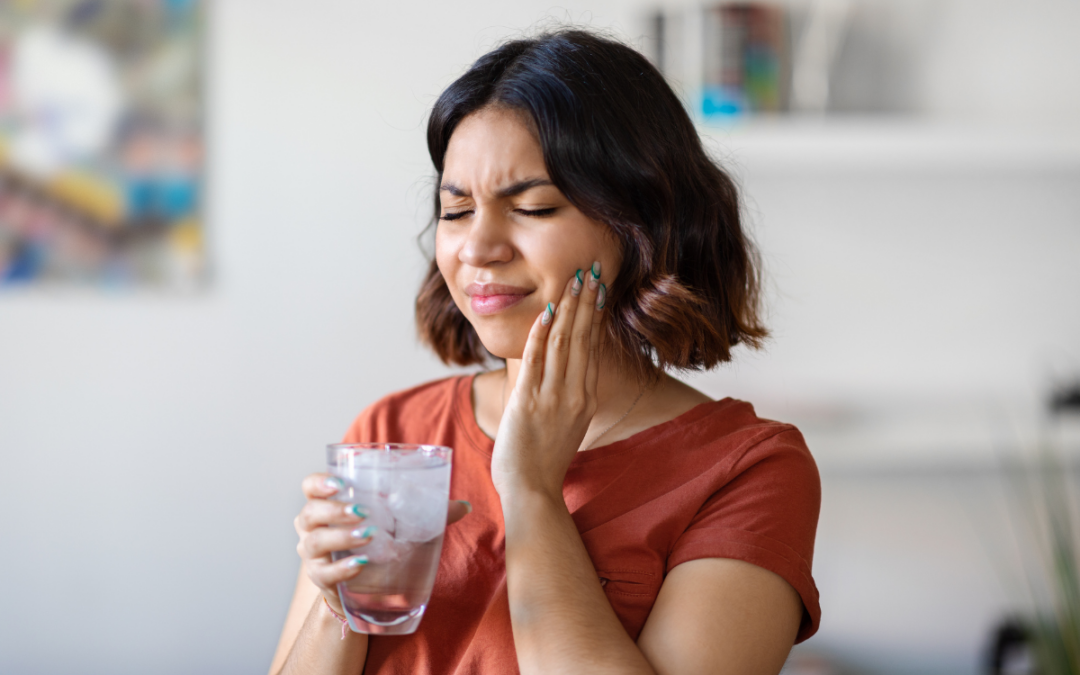
Winter can bring more than cold hands and dry skin. For some people, stepping outside into freezing air or drinking a hot cup of coffee can trigger a sudden, sharp pain in a tooth.
That quick jolt may seem harmless, but repeated cold-weather tooth pain should not automatically be blamed on the temperature.
Cold air can make existing dental sensitivity more noticeable, especially when enamel is worn, gums have receded, or a tooth already has an underlying problem. In some situations, sudden or severe pain may require evaluation by an emergency dentist in Perryville.
Understanding why cold weather affects your teeth—and knowing when sensitivity becomes a dental concern—can help you protect your smile throughout the winter.
Why Does Cold Weather Make My Teeth Hurt?
Your teeth are protected by enamel, the hard outer layer that shields the more sensitive structures underneath.
When enamel is worn down, or the gums have receded, areas closer to the inner tooth may become exposed. These areas can respond strongly to temperature changes.
Cold air can cause discomfort when you breathe through your mouth, while cold beverages and foods can produce a similar response.
Common reasons for increased sensitivity include:
- Enamel erosion
- Gum recession
- Tooth decay
- Cracked or damaged teeth
- Worn fillings
- Teeth grinding
- Exposed tooth roots
- Recent dental treatment
- Aggressive brushing
Sometimes the discomfort is brief and occurs only when exposed to cold. In other cases, pain may linger after the cold stimulus is gone.
That difference can be important.
When Is Cold Sensitivity Normal—and When Is It a Warning Sign?
A brief sensation that disappears almost immediately after you move away from the cold may be related to ordinary tooth sensitivity.
However, persistent, intense, or worsening pain deserves attention.
For example, if drinking something cold causes a sharp sensation that disappears within a few seconds, sensitivity may be involved.
But if the pain continues for a long time after the cold is gone, occurs spontaneously, wakes you at night, or becomes increasingly severe, there may be a deeper dental problem.
Potential causes can include:
Tooth Decay
A cavity can expose more sensitive portions of a tooth and make it react to temperature changes.
Cracked Teeth
A small crack may cause sharp pain when eating or drinking, especially when temperature changes affect the tooth.
Gum Recession
When gum tissue pulls away from a tooth, part of the root can become exposed. Because roots do not have the same enamel protection as the crown of the tooth, they can be much more sensitive.
Worn or Damaged Fillings
A filling that is cracked, loose, or worn may contribute to sensitivity and may require evaluation.
Pulp Inflammation
The soft tissue inside a tooth contains nerves and blood vessels. If this tissue becomes inflamed because of decay, trauma, or another problem, temperature sensitivity may become more intense.
Can Cold Weather Actually Damage Your Teeth?
Cold temperatures themselves generally do not damage healthy teeth simply because the weather is cold.
The bigger issue is that winter conditions can expose or aggravate an existing dental problem.
Cold air may make an already sensitive tooth hurt more. Winter habits can also contribute to oral health concerns.
For example, people may consume more hot drinks during colder months. Adding sugar to coffee, tea, or other beverages can increase the frequency of sugar exposure. Frequent snacking during holiday gatherings can also give cavity-causing bacteria more opportunities to produce acids.
Dry winter air can also contribute to a dry mouth for some people, particularly when combined with mouth breathing or certain medications. Saliva plays an important role in protecting teeth, so reduced saliva can increase the risk of decay and discomfort.
The key takeaway is simple: cold weather may reveal a dental problem that was already developing.
What Are the Risks of Ignoring Winter Tooth Pain?
It can be tempting to simply avoid cold drinks and wait for the weather to warm up.
That may be reasonable for mild, occasional sensitivity that has already been evaluated. But unexplained or worsening pain should not be ignored.
A dental problem can continue progressing even when symptoms temporarily improve.
Ignoring persistent sensitivity may allow:
- Tooth decay to become more extensive
- A crack to worsen
- An existing filling to deteriorate
- Gum disease to progress
- A damaged tooth to develop an infection
- A treatable problem to become more complicated
Pain is often a signal that something needs attention. It should not be the only factor you use to decide whether your teeth are healthy.
How Can You Protect Your Teeth During Cold Weather?
A few simple habits can reduce winter-related sensitivity and help protect your oral health.
Use a Soft-Bristled Toothbrush
Aggressive brushing can contribute to enamel wear and gum recession. Use gentle pressure and a soft-bristled toothbrush.
Consider Toothpaste for Sensitive Teeth
A toothpaste formulated for sensitivity may help reduce discomfort for some people when used consistently. Ask your dental professional whether it is appropriate for your symptoms.
Limit Frequent Acidic and Sugary Drinks
Coffee, soda, sports drinks, and other beverages can affect your teeth depending on how often you consume them. Water is a better everyday choice for hydration.
Protect Your Mouth From Very Cold Air
If cold air triggers sensitivity, try breathing through your nose instead of your mouth when possible. A scarf or face covering can also reduce direct exposure to freezing air.
Stay Hydrated
Adequate hydration supports saliva production and helps maintain a healthy oral environment.
Maintain Your Regular Dental Routine
Cold weather is not a reason to stop brushing and flossing. Continue brushing twice daily with fluoride toothpaste and cleaning between your teeth every day.
When Should Cold Tooth Pain Be Considered a Dental Emergency?
Not every case of winter tooth sensitivity requires emergency care.
However, some symptoms should be evaluated promptly.
Contact a dental professional if you experience:
- Severe or sudden tooth pain
- Facial or jaw swelling
- A broken or cracked tooth
- Significant pain after an injury
- Persistent pain that does not improve
- A toothache accompanied by fever
- Pus or drainage around a tooth
- Difficulty opening your mouth
- A dental problem that is interfering with eating or sleeping
Facial swelling accompanied by difficulty breathing or swallowing can indicate a serious infection and requires urgent medical attention.
If you are unsure whether your symptoms require urgent treatment, contacting a dental office for guidance is safer than simply waiting for the symptoms to disappear.
Emergency Dentist: Getting the Right Help When Pain Strikes
When tooth pain suddenly becomes severe, you need to know what is causing it rather than simply masking the symptom.
At Perryville Family Dental, an evaluation can help identify the possible source of dental pain and determine what type of care may be appropriate. Depending on the situation, treatment may involve addressing decay, repairing a damaged tooth, treating an infection, or managing another underlying dental condition.
For patients in Perryville and nearby communities, having access to a dental office familiar with urgent dental concerns can make it easier to respond when an unexpected problem develops.
The goal is not to assume every cold-sensitive tooth is an emergency. It is to recognize when ordinary sensitivity has changed into a symptom that deserves professional attention.
Don’t Let Winter Tooth Pain Disrupt Your Life
You should not have to avoid your favorite foods, drinks, outdoor activities, or everyday routines because of unexplained tooth pain.
If cold weather is causing sharp, persistent, or unusual dental discomfort, call Us to schedule an evaluation with an emergency dentist in Perryville and find out what is causing the pain before the problem becomes more serious.
Prompt attention can help identify the underlying issue, protect your natural tooth, and get you back to enjoying winter without constantly worrying about your smile.
Frequently Asked Questions
1. Why do my teeth hurt when I breathe in cold air?
Cold air can trigger discomfort when sensitive areas of a tooth are exposed. Enamel erosion, gum recession, decay, cracks, or other dental conditions can make teeth more responsive to temperature changes.
2. Is it normal for teeth to hurt in cold weather?
Some people experience temporary sensitivity when exposed to cold temperatures. However, severe, persistent, or worsening pain should not automatically be considered normal and may require a dental examination.
3. Why does cold water make my tooth hurt?
Cold water can stimulate sensitive areas of a tooth, particularly when enamel has worn down or a root is exposed. A cavity, cracked tooth, damaged filling, or inflammation inside the tooth can also cause cold sensitivity.
4. How can I stop tooth sensitivity in winter?
Use a soft-bristled toothbrush, avoid aggressive brushing, consider toothpaste designed for sensitive teeth, stay hydrated, and limit frequent acidic or sugary drinks. If sensitivity continues, have the tooth evaluated.
5. Can a cavity cause sensitivity to cold?
Yes. Tooth decay can expose the more sensitive inner portions of a tooth and cause discomfort when exposed to cold foods, drinks, or air.
6. When is cold sensitivity considered a dental emergency?
Cold sensitivity may require prompt dental care when it is severe, persistent, associated with swelling, caused by an injury, accompanied by fever, or combined with signs of infection. Difficulty breathing or swallowing with facial swelling requires urgent medical attention.
7. Can a cracked tooth cause pain in cold weather?
Yes. A cracked tooth can react to temperature changes and may cause sharp pain when eating or drinking. Cracks can worsen over time, so persistent symptoms should be evaluated.
8. Should I see a dentist if my tooth hurts only in winter?
Yes, particularly if the sensitivity is new, worsening, intense, or lingering. Cold weather may simply make an underlying dental problem more noticeable rather than being the actual cause.
Medical Disclaimer – This article is intended for general educational purposes and does not replace a professional dental examination, diagnosis, or treatment plan. Tooth sensitivity can have many causes, and appropriate treatment depends on the individual patient’s condition. If you experience severe pain, swelling, fever, trauma, or difficulty breathing or swallowing, seek urgent professional or medical care.