
A toothache that suddenly disappears can feel like good news. You may think the problem has fixed itself and decide there is no reason to see a dentist. But when tooth pain stops without treatment, that does not always mean the tooth is healthy.
In some cases, the pain disappears because the nerve inside the tooth is no longer functioning properly. The infection or damage can still be present, even when you feel completely comfortable.
If you have recently experienced tooth pain and are wondering whether you still need Root Canal Therapy in Perryville, understanding what may be happening inside the tooth can help you make a safer decision.
Why Would a Tooth Stop Hurting?
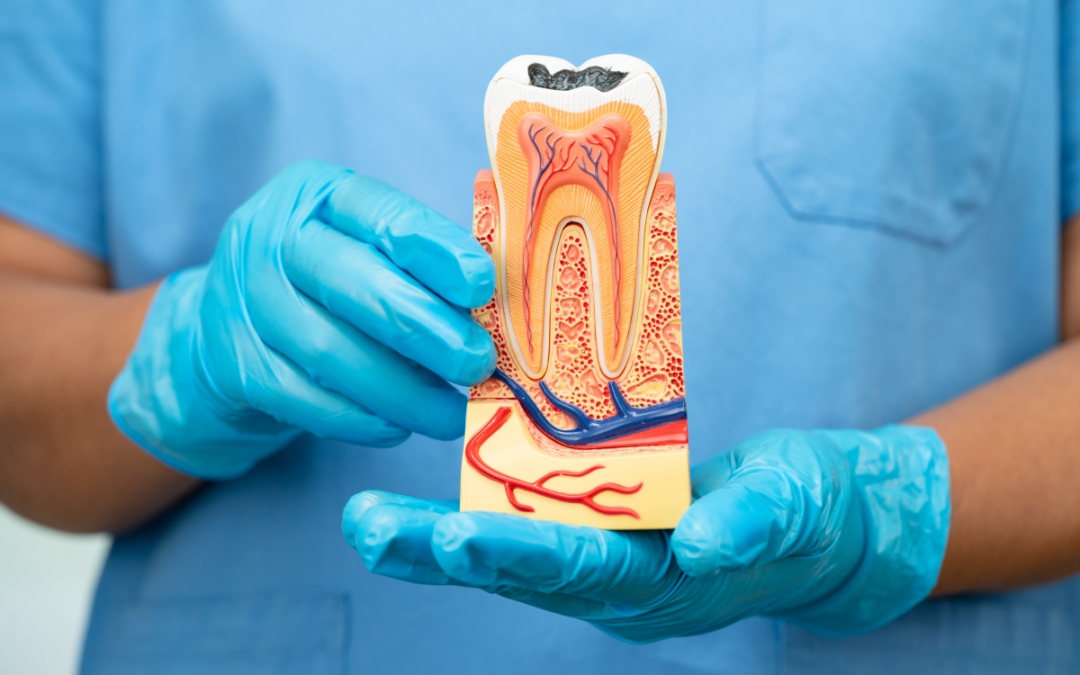
Tooth pain can happen for several reasons, including deep decay, a crack, trauma, inflammation, or an infection affecting the dental pulp. The pulp contains nerves and blood vessels that keep the inside of the tooth alive.
When the pulp becomes irritated, you may experience:
- Sharp pain when biting
- Sensitivity to hot or cold
- A lingering ache
- Throbbing pain
- Pain that wakes you at night
- Tenderness around the tooth
- Swelling near the gums
But dental pain does not always continue indefinitely.
If inflammation or infection becomes severe enough to damage or destroy the pulp, the nerve may stop responding. As a result, the pain can suddenly decrease or disappear.
That can be misleading.
The tooth may feel better while the underlying problem continues to develop.
When Pain Disappears, the Problem May Not Be Gone
Think of pain as an alarm system. When the alarm becomes quiet, it does not necessarily mean the underlying issue has disappeared.
If the nerve inside a tooth dies, bacteria can continue to move through the damaged tissue and into the surrounding areas. Over time, an infection may develop around the root.
You might notice other symptoms later, such as:
- Swelling in the gum
- A small bump or pimple on the gum
- Pain when chewing
- Facial swelling
- A bad taste or drainage
- Darkening or discoloration of the tooth
- Tenderness around the affected area
Some people have very few symptoms even when significant infection is present.
This is one reason a dental examination is important after unexplained tooth pain, even if you currently feel fine.
Does a Tooth That Stops Hurting Always Need a Root Canal?
No. A tooth that stops hurting does not automatically mean you need a root canal.
The only way to determine whether root canal treatment is appropriate is through a dental examination and, when necessary, diagnostic imaging and tests that evaluate the condition of the tooth.
Depending on what caused the original pain, the tooth may need:
- A filling
- Treatment for a cracked tooth
- A crown
- Monitoring and follow-up
- Root canal treatment
- Extraction in cases where the tooth cannot be restored
The goal is not to perform a particular procedure simply because pain occurred. The goal is to identify the cause and determine the most appropriate way to protect your oral health.
This is also why avoiding an examination just because the pain has stopped can be risky.
What Happens If an Infected Tooth Is Left Untreated?
An infected tooth may continue deteriorating even when symptoms are mild.
As bacteria move beyond the inside of the tooth, the infection can affect the tissues surrounding the root. In some cases, this can result in an abscess, bone loss, swelling, or more extensive dental problems.
Waiting can also change the treatment options available.
A tooth that could potentially have been preserved with appropriate treatment may become more difficult to restore if damage progresses. In difficult situations, extraction may eventually become necessary.
That does not mean every painful tooth will reach this stage. It means that unexplained dental pain deserves attention rather than being ignored.
Signs You Should Not Ignore
Contact a dentist promptly if you experience:
- Swelling in your face or jaw
- Significant tooth or gum swelling
- Fever along with dental symptoms
- Severe or worsening pain
- Difficulty swallowing
- Difficulty breathing
- Pus or drainage near a tooth
- A tooth that has become noticeably dark
- Pain that returns after temporarily disappearing
Difficulty breathing or swallowing, particularly with significant facial or neck swelling, requires urgent medical attention.
What Does Root Canal Treatment Actually Do?
A root canal is designed to treat disease or damage affecting the soft tissue inside a tooth.
During treatment, the dentist removes the affected pulp, cleans and disinfects the inside of the tooth, fills the space, and seals the tooth to help prevent further bacterial contamination.
In many cases, restoring the tooth afterward with a crown or another appropriate restoration helps protect its remaining structure.
The purpose of Root Canal treatment is not simply to eliminate pain. It is to address the source of infection or inflammation while giving the natural tooth an opportunity to remain functional.
Modern dental care also focuses on patient comfort throughout treatment. If dental anxiety is keeping you from addressing a painful tooth, discuss your concerns with your dental team before treatment begins.
Why an Examination Matters Even If You Feel Fine
One of the biggest mistakes people make after a toothache is assuming that no pain means no problem.
Unfortunately, symptoms do not always accurately reflect the condition of a tooth.
A dentist can evaluate your symptoms, examine the tooth, check how it responds to appropriate diagnostic tests, and use dental X-rays when indicated. These findings help determine whether the pulp is healthy, inflamed, infected, or no longer viable.
Early evaluation may also reveal a problem before it develops into a more serious dental emergency.
If your tooth stopped hurting after several days of discomfort, do not rely on the disappearance of pain as proof that everything is okay.
Root Canal Therapy Perryville: What Should You Do Next?
If a toothache has recently disappeared, the safest next step is to have the tooth evaluated rather than waiting for the pain to return.
At Perryville Family Dental, patients can discuss their symptoms and receive an evaluation designed around their individual dental needs. The practice provides comprehensive dental services, including root canal therapy, crowns, fillings, and emergency dental care.
The goal is to understand what is happening before recommending treatment. That may mean monitoring the tooth, repairing damage, or treating an infection when necessary.
If you are experiencing unexplained tooth pain or the pain suddenly stopped, schedule an appointment for a Root Canal Therapy Perryville evaluation so the cause can be identified and the tooth can receive appropriate care before the problem becomes more serious.
Frequently Asked Questions
1. If my tooth stops hurting, do I still need a root canal?
Possibly. Pain disappearing does not necessarily mean the tooth has healed. If the nerve inside the tooth has become severely damaged or died, symptoms may decrease while infection remains. A dental examination is necessary to determine whether root canal treatment is needed.
2. Can a dead tooth stop hurting?
Yes. A tooth with a severely damaged or dead pulp may stop responding to temperature and other stimuli. However, bacteria can remain inside the tooth and cause infection around the root.
3. How long can I wait after a toothache goes away?
It is better not to intentionally wait. There is no reliable timeline because dental infections can progress differently from one person to another. If the pain was unexplained, arrange an evaluation even if you currently feel comfortable.
4. What are the signs that I may need root canal treatment?
Possible signs include prolonged sensitivity, severe toothache, pain when biting, swelling, recurring dental pain, discoloration, or a pimple-like bump on the gums. Some teeth requiring treatment may cause little or no pain.
5. Can a dentist tell if I need a root canal without an X-ray?
A dentist may use several diagnostic methods, including your symptoms, clinical examination, pulp testing, and dental imaging when appropriate. An X-ray can provide important information about the roots and surrounding bone, but diagnosis is based on the complete clinical picture.
6. Is root canal treatment painful?
Modern root canal treatment is performed with local anesthesia to numb the area. Some tenderness may occur afterward, but your dentist can explain what to expect and how to manage temporary discomfort.
7. What happens if I do not treat an infected tooth?
An untreated infection may spread into the tissues around the tooth and potentially cause an abscess, swelling, bone damage, or loss of the tooth. Prompt evaluation can help determine the appropriate treatment before the condition becomes more complicated.
8. Should I see a dentist if my tooth feels completely normal now?
Yes, especially if the tooth previously caused unexplained or significant pain. A symptom-free period does not necessarily confirm that the tooth has recovered. An examination can help determine whether there is an underlying problem.
Medical Disclaimer – This article is intended for general educational purposes and does not replace an examination, diagnosis, or treatment plan from a qualified dental professional. Dental symptoms can have different causes, and treatment recommendations depend on individual clinical findings. If you have severe swelling, difficulty breathing or swallowing, fever, or other signs of a serious dental infection, seek urgent medical care.